

Dozens of studies conclude benefits gained from burying power lines underground won't justify the costs
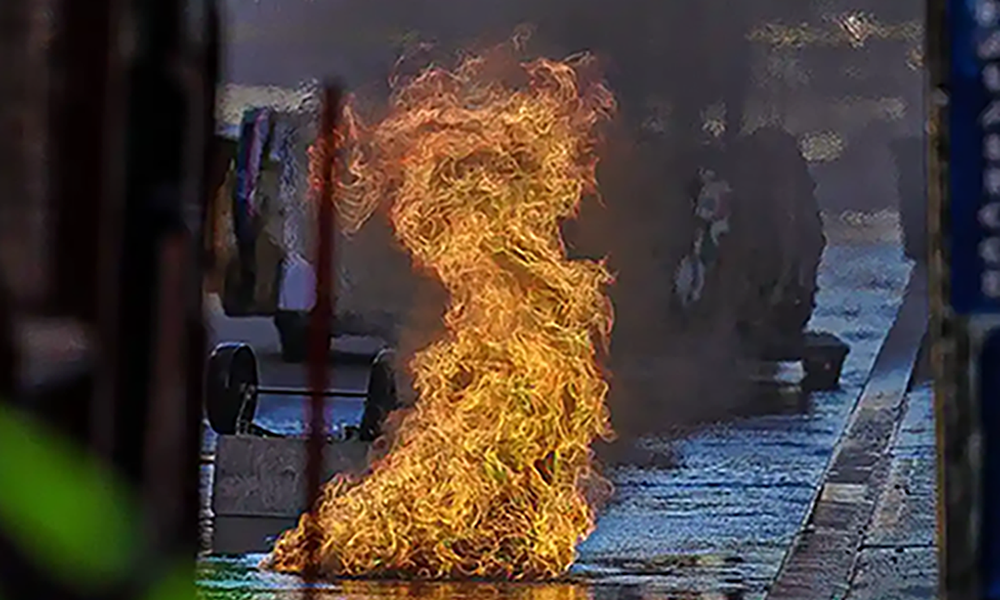
Increased use of undergrounding could mean a dramatic increase in the number of manhole events-- smoke or fires in underground vaults, along with explosions sometimes powerful enough to launch heavy manhole covers several stories into the air (see video).
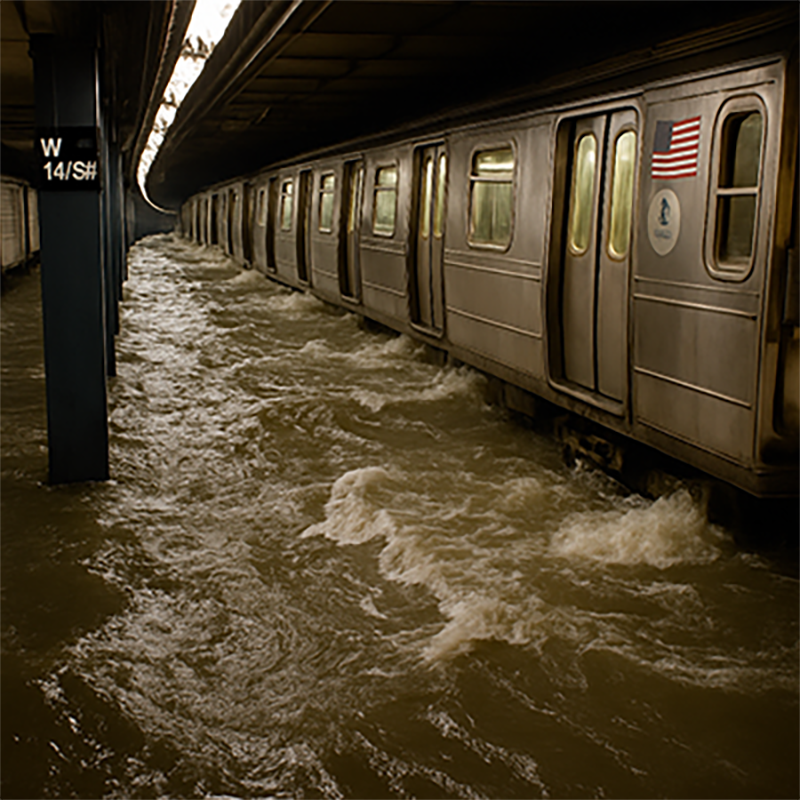
Heavy rains and storm surges associated with severe weather events can threaten underground electrical equipment. In 2012 Hurricane Sandy flooded the NYC subway system as well as ConEdison's underground substations, leaving more than 220,000 customers in the dark.

The exorbitant costs, shortcomings, vulnerabilities and safety concerns cited in numerous studies are detailed in a new technical bulletin from NAWPC
This time, feeling pressure from the public outcry to do something (anything), policymakers have begun enacting new measures requiring utilities to further harden electrical systems, often calling for mandatory conversion of overhead systems to underground. This, despite a bevy of research that indicates it’s not that simple.
As detailed in a new Technical Bulletin from the North American Wood Pole Council (NAWPC), dozens of studies borne of earlier versions of the debate have all reached the same conclusions:
• Undergrounding creates new vulnerabilities and safety issues
• The costs far outweigh the benefits
• Less expensive alternatives can be equally effective
The Technical Bulletin, Burying the Grid: Heavy costs, limited benefits, draws on extensive research to reveal often-ignored shortcomings of undergrounding and to make the case for more reasonable approaches that are affordable for ratepayers and can be implemented more quickly without creating new vulnerabilities.
The publication cites multiple studies detailing the exorbitant costs of undergrounding, including one commissioned by New York State which concluded, “The costs of undergrounding … would substantially exceed the associated benefits. The study estimates the present value of the net loss in social welfare at $261 billion (2023 dollars).”
Beyond just economics, Burying the Grid describes vulnerabilities, safety issues and shortcomings associated with buried transmission and distribution lines and it proposes several less drastic, proven alternatives which, combined, can provide nearly equivalent grid hardening results.
“On its face, undergrounding sounds appealing. But in fact, it is extremely expensive, would take several decades to complete and it won’t solve the problem,” said Butch Bernhardt, Administrative Vice President for NAWPC. “By exploring scientific information and real-world experience we hope this new publication will help bring more rational thought to the discussion.”
The new publication is available for download at:
https://woodpoles.org/wp-content/uploads/TB_Undergrounding_0126.pdf
About NAWPC
The North American Wood Pole Council (NAWPC) is a federation of three organizations representing the North American wood pole preserving industry. These organizations provide a variety of services to support the use of preservative-treated wood poles and crossarms to carry power and communications to consumers. For information, visit woodpoles.org.
Timm Locke
North American Wood Pole Council
+1 503-806-4831
timm@woodpoles.org
Manhole Event Close calls
Legal Disclaimer:
EIN Presswire provides this news content "as is" without warranty of any kind. We do not accept any responsibility or liability for the accuracy, content, images, videos, licenses, completeness, legality, or reliability of the information contained in this article. If you have any complaints or copyright issues related to this article, kindly contact the author above.
